

Smartphone technology has matured into a dense mix of silicon, sensors, displays, radios, and software services, which means buying a phone today is less about brand loyalty and more about matching capabilities to how you actually live. A model that delights a frequent traveler can feel wasteful for someone who mainly answers emails, while a chip that thrills a mobile gamer may be overkill for a casual user who values battery life above raw speed. The right framework is to start with use cases, then drill into the technical layers that influence those experiences.
This guide walks through the practical checkpoints that matter before you commit to a device: real usage needs, processing platform, display, cameras, battery and thermals, software support, connectivity, durability, and how to validate everything against official sources. Treat marketing claims as a starting point, then verify specifics on primary references such as Apple, Samsung, Google, Qualcomm, and MediaTek product pages, because exact features, availability, and support terms vary by model, region, and time.
Start With Your Real Usage Needs
Before any spec sheet, write down how you will use the phone for the next two to four years. The same device can feel premium or compromised depending on whether your priority is photography, travel resilience, gaming, productivity, or accessibility.
Map Features to Daily Behavior
- Content creators usually benefit from larger image sensors, optical zoom, stabilization, and high-bitrate or LOG-capable video pipelines.
- Travelers tend to prefer strong battery life, eSIM or dual-SIM flexibility, satellite-style emergency features where available, and rugged ingress protection ratings.
- Mobile gamers care most about sustained chipset performance, high-refresh displays, haptics, and thermal headroom rather than peak benchmark scores.
- Long-term owners should weigh software update length, repairability, and resale ecosystem above one-time feature gimmicks.
Treating these patterns as a filter prevents you from overspending on capabilities you will rarely use.
Check the Processor and Performance Platform
The system-on-chip (SoC) drives nearly every modern smartphone experience: app responsiveness, gaming, AI features, camera processing, modem performance, and battery efficiency. Today’s mainstream options come from Qualcomm Snapdragon, MediaTek Dimensity, Apple’s in-house silicon, Google Tensor, and Samsung Exynos lines.
What to Read on the Spec Page
- Process node and core configuration, which generally hint at efficiency and peak performance.
- Integrated modem capabilities, especially 5G sub-6 and mmWave support relevant to your region.
- Image signal processor (ISP) and on-device AI features, which influence photo quality and assistant responsiveness.
- Connectivity blocks such as Wi-Fi version, Bluetooth codecs, and UWB support.
Use Qualcomm’s and MediaTek’s official platform pages to cross-check what a chip actually supports, rather than relying on retailer summaries that may simplify or omit details.
Evaluate Display Quality Beyond Screen Size
A display is your daily interface, so its quality affects readability, eye comfort, and battery use more than screen size alone. Look beyond inches and resolution to characteristics that show up in real life.
Useful Display Specs
- Refresh rate and adaptive behavior, which determine smoothness and how aggressively the panel can save power.
- Peak and typical brightness, important for outdoor visibility and HDR content.
- Panel type and tuning, including OLED depth, color accuracy modes, and HDR formats supported.
- Touch sampling and dimming behavior, which can affect gaming feel and eye strain for sensitive users.
Manufacturers sometimes quote best-case numbers; whenever possible, compare official product pages and trusted hands-on reports, and remember that exact panel specs may vary by region and storage tier.
Look Closely at Camera Hardware and Processing
Megapixels alone do not determine image quality. Sensor size, lens aperture, stabilization, and computational processing usually matter more, especially in low light and at long focal lengths.
Camera Checkpoints That Matter
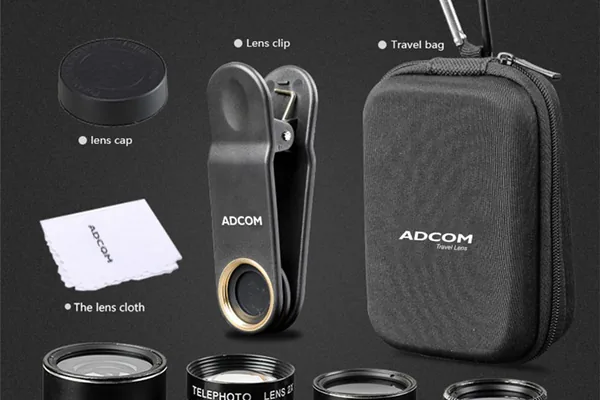
- Main sensor size and pixel binning behavior, which affect dynamic range and noise.
- Optical zoom range from a true telephoto lens, separate from digital or hybrid zoom.
- Ultrawide lens quality, including autofocus for macro work.
- Video capabilities such as resolution, frame rate options, stabilization modes, and LOG or 10-bit color where supported.
- Computational features like night mode, portrait depth, and AI scene processing.
If photography is central to your decision, evaluate sample galleries and review footage rather than relying on raw spec lists.
Battery Life, Charging, and Heat Management
Battery capacity in milliamp-hours is only one variable; chipset efficiency, display behavior, network conditions, and software optimization all shape real endurance.
What to Verify
- Stated wired and wireless charging wattage, and whether a compatible charger is included in your region.
- Support for standards such as USB Power Delivery (PD) and Programmable Power Supply (PPS).
- Thermal design notes from the manufacturer, especially for sustained gaming or video recording.
- Battery health management features and expected longevity statements.
Treat any quoted hours of video playback or talk time as estimates measured under controlled conditions, not guarantees for your usage.
Software Updates, Security, and Ecosystem Fit
A phone’s software lifespan often outlasts its hardware highlights. Major OS upgrades and security patches affect privacy, app compatibility, and resale value.
Ecosystem Considerations
- How many years of major OS upgrades and security patches the manufacturer commits to.
- Whether the device integrates cleanly with the laptops, tablets, watches, and smart home gear you already own.
- Availability of features like passkey sign-in, on-device AI, cross-device clipboard, and device continuity.
- Privacy controls, app permission tooling, and bloatware policies.
Choosing an ecosystem you already trust often reduces friction more than chasing a single standout feature.
Storage, Memory, and Connectivity Choices
Modern flagships frequently drop microSD support, which makes the storage tier you buy a long-term commitment. RAM amount and type also affect multitasking and on-device AI tasks.
Things to Confirm
- Available storage tiers and any performance differences between them.
- RAM size, especially if you plan to run on-device AI models or heavy multitasking.
- Supported 5G bands for your carrier, plus Wi-Fi generation and Bluetooth codec support.
- USB-C capabilities, including data speeds and external display output.
- eSIM and dual-SIM behavior, and any satellite or emergency communication features where available.
Durability, Repairability, and Long-Term Value
A more durable, repairable phone often delivers better long-term value than a slightly faster one.
Long-Term Value Signals
- Ingress protection ratings such as IP68, and what they actually cover.
- Glass and frame materials, including any branded toughened glass.
- Official repair access, parts availability, and warranty terms in your country.
- Resale trends within the brand and ecosystem.
Repairability and update length together tend to predict total cost of ownership more reliably than launch-day benchmarks.
Compare Official Specs Before Buying
Marketing language is designed to flatter. Before committing, line up the official product pages of your finalists side by side and confirm the details that will shape your daily experience.
How to Cross-Check
- Read the manufacturer’s technical specification page for each candidate.
- Confirm chipset details on Qualcomm’s or MediaTek’s official platform pages where relevant.
- Check carrier or regional support pages for network band compatibility.
- Review the manufacturer’s stated update policy and warranty terms.
This habit protects you from regional spec variations and quietly changed features between launch announcements and shipping units.
Final Buying Checklist
Use this short checklist as a last gate before you pay:
- Does the phone clearly fit your top two real-world use cases?
- Is the chipset platform documented and appropriate for the workload?
- Does the display match your environment and content habits?
- Are camera and video capabilities verified in samples, not just specs?
- Are battery, charging, and thermal expectations realistic?
- Is the software support window long enough for your ownership horizon?
- Do storage, connectivity, and SIM options match your region and carrier?
- Are durability, repairability, and resale signals acceptable?
Smartphone technology rewards thoughtful buyers. By translating your real needs into specific, verifiable specifications and cross-checking them against primary sources, you reduce the risk of overspending, hitting performance limits early, or losing software support sooner than expected. A clear checklist today usually means fewer regrets and a longer, more satisfying device life tomorrow.
Official references
- Apple iPhone Technical Specifications – Primary source for iPhone hardware, display, camera, battery, connectivity, durability, and software feature specifications.
- Samsung Galaxy S25 Ultra Official Product Page – Primary Samsung source for Galaxy smartphone hardware specifications, camera system, chipset, battery, display, durability, and storage options.
- Google Pixel Phone Hardware Tech Specs – Primary Google support reference for Pixel model specifications, including display, camera, battery, storage, connectivity, and update notes.
- Qualcomm Snapdragon Smartphone Platforms – Primary chipset source for Snapdragon CPU, GPU, modem, AI, camera ISP, charging, and connectivity capabilities used in many smartphones.
- MediaTek Dimensity Smartphone Chips – Primary chipset source for MediaTek smartphone SoC specifications, including 5G, imaging, gaming, AI, and power-efficiency features.
